

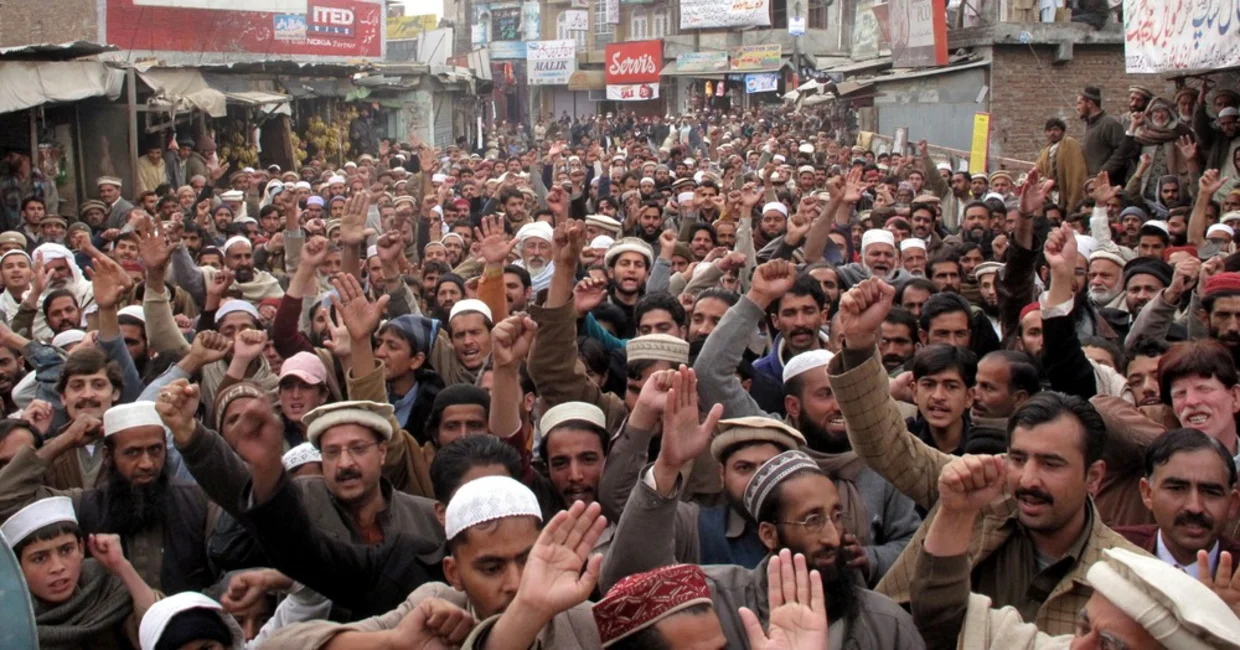
Pakistan’s Current Political Crisis and a Technology-Based Path Forward
Pakistan is facing a deepening political crisis marked by institutional divides, public unrest and economic uncertainty. The turmoil traces back to 2022 when former Prime Minister Imran Khan was removed from office through a no-confidence motion, triggering nationwide protests and political fragmentation that continue into 2025. Wikipedia
At the heart of the unrest is a political leadership stalemate, where major parties and powerful state institutions struggle for influence, often sidelining democratic norms. Imran Khan’s detention has become symbolic of these tensions, polarizing supporters and opponents alike and drawing international attention to human rights and the rule of law. www.ndtv.com
Compounding this crisis are security challenges along Pakistan’s borders and rising militancy that exploit political instability. Efforts to maintain peace with neighboring states have faltered, while militant attacks in border regions continue to strain government resources and public confidence. East Asia Forum
Amid this backdrop, political instability hampers economic reform and governance, making it harder to implement policies critical for growth, accountability and inclusive decision-making. BMZ
A Technology-Driven Solution
Technology can play a crucial role in stabilizing Pakistan’s political environment:
Digital Civic Platforms: Build secure e-governance systems for transparent elections, real-time reporting of electoral data, and accessible public records. Such platforms reduce mistrust and encourage citizen participation.
AI-Powered Public Consultation: Use AI tools to analyze public sentiment and policy feedback, enabling policymakers to understand diverse regional concerns promptly.
Blockchain for Accountability: Implement blockchain-based systems to track government spending and anti-corruption measures, increasing transparency and restoring public trust.
Through digital tools and inclusive technology policies, Pakistan can foster greater political legitimacy, accountability and citizen engagement, helping to bridge divides and strengthen democratic institutions.